September 8, 2026
Termites can cause serious property damage while remaining hidden for long periods. According to Workwave, termites cause over $5 billion in property damage annually, with more than 600,000 homes facing infestations each year. These figures show why termite activity deserves prompt attention, especially when early signs are easy to overlook. Their activity may begin in areas that are difficult to notice, allowing problems to grow before visible signs appear. Addressing signs early can help limit damage, protect important structural areas, and make the problem easier to manage. This article explains how a termite remover can help identify termite activity, address an infestation, and support the long-term condition of a home.
Recognizing Signs of Termite Activity
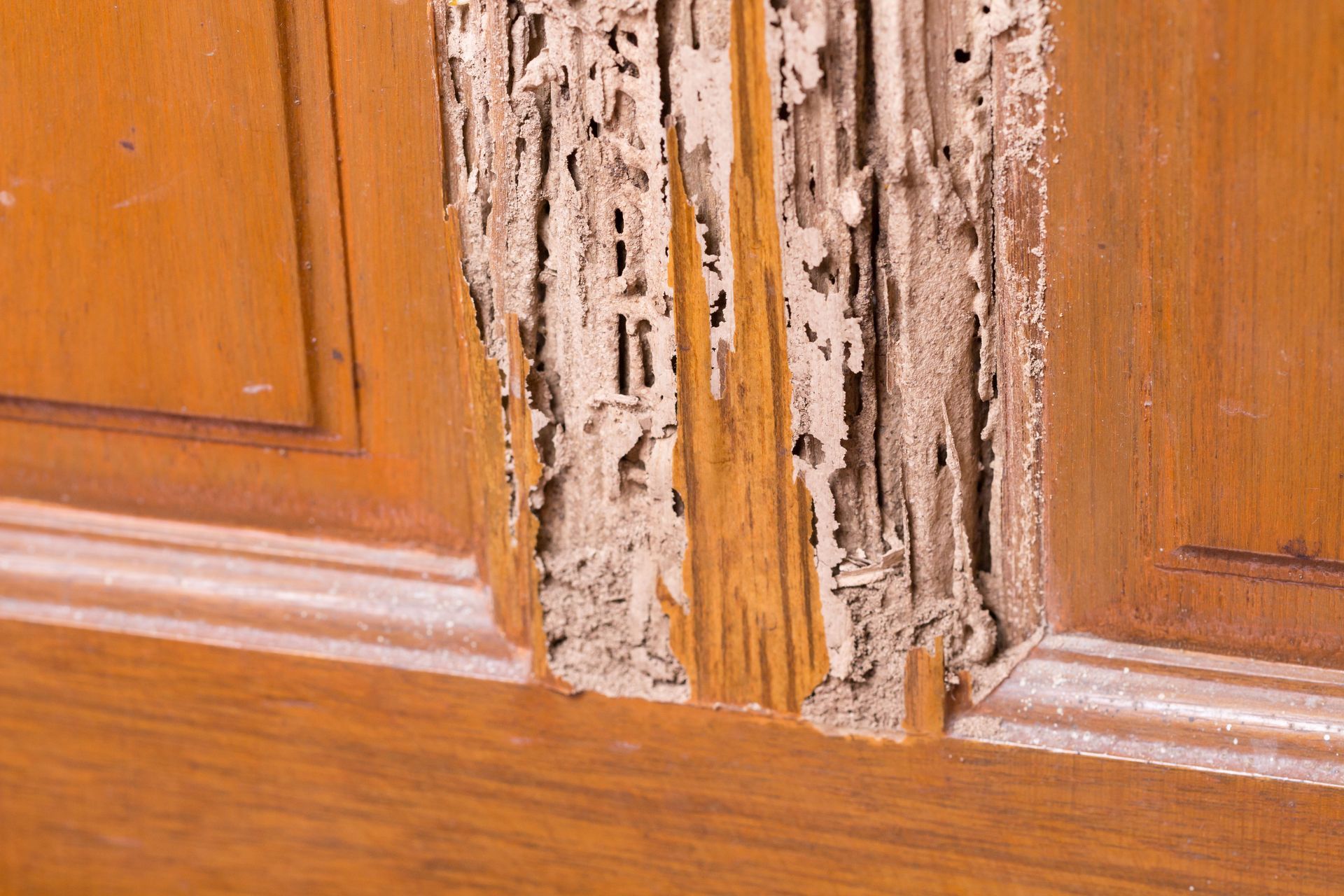
Knowing common warning signs can help property owners recognize when professional attention may be needed. One of the more noticeable signs is damaged or weakened wood. Wood affected by termites may sound hollow when disturbed, show visible channels, or appear thinner than it should. Other signs may be less obvious. Small piles of discarded wings can appear near windows, doors, or other openings after termites swarm. Small openings in wood, droppings, mud-like structures, or changes in the appearance of wooden surfaces can also indicate possible activity. A termite remover can assess these warning signs and determine whether they are consistent with termite activity. Professional evaluation is useful because other insects, moisture problems, or natural changes in wood can sometimes create similar appearances.
Identifying Areas Where Termites Hide
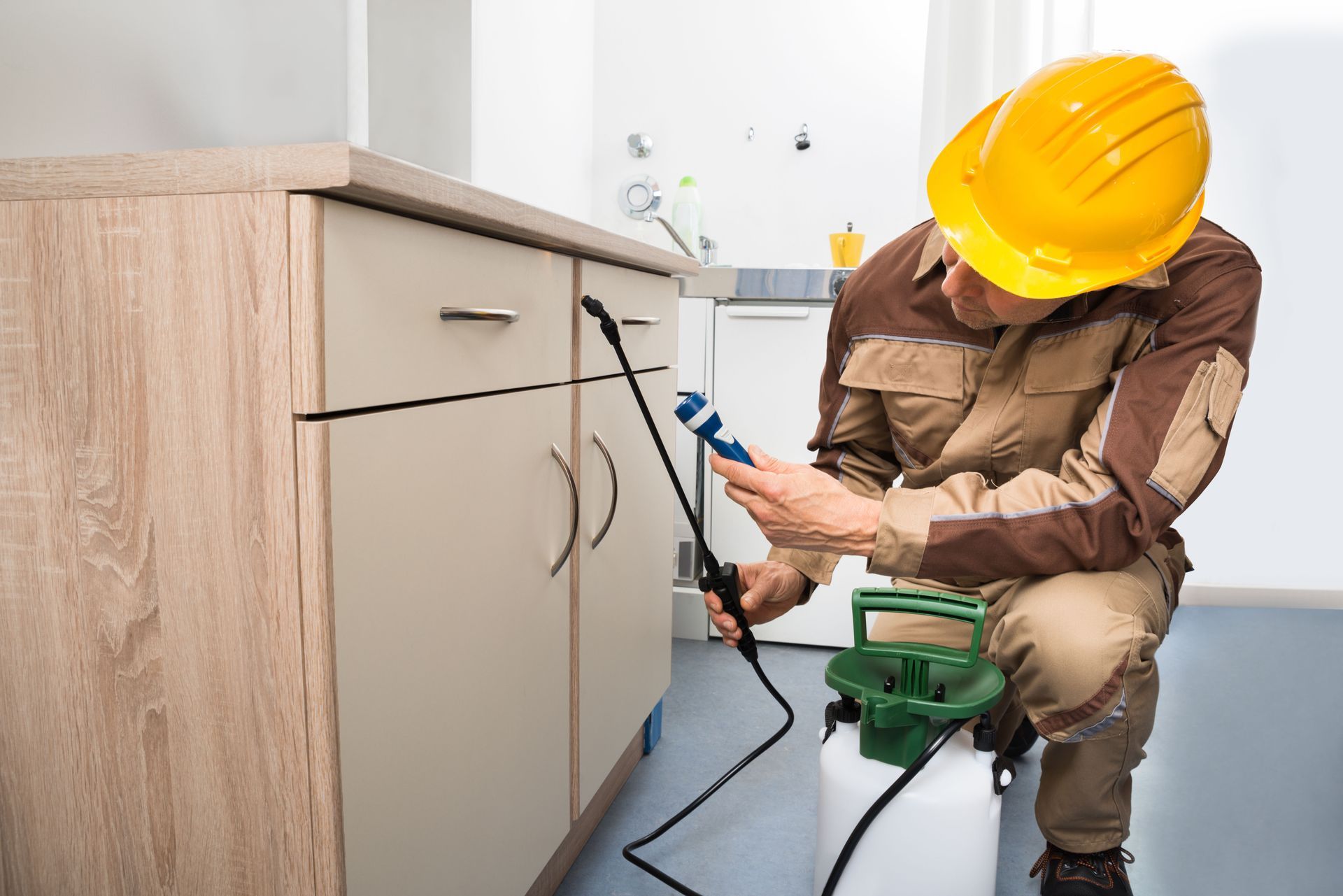
Termites can enter and move through a property in several ways. Moist soil around a structure, wood that remains close to the ground, cracks, and other openings can provide possible paths into a home. Some areas may also provide conditions that make termite activity more likely. Hidden spaces deserve attention because they can allow termites to remain unnoticed. Basements, crawl spaces, wall cavities, foundations, and other less visible areas may contain signs that are difficult to spot during a general inspection. A termite remover can examine areas where activity may occur and look for evidence that connects visible signs to a larger problem. Finding the location and extent of activity can help determine the next steps needed to address the infestation.
Reducing Damage Caused by Infestations
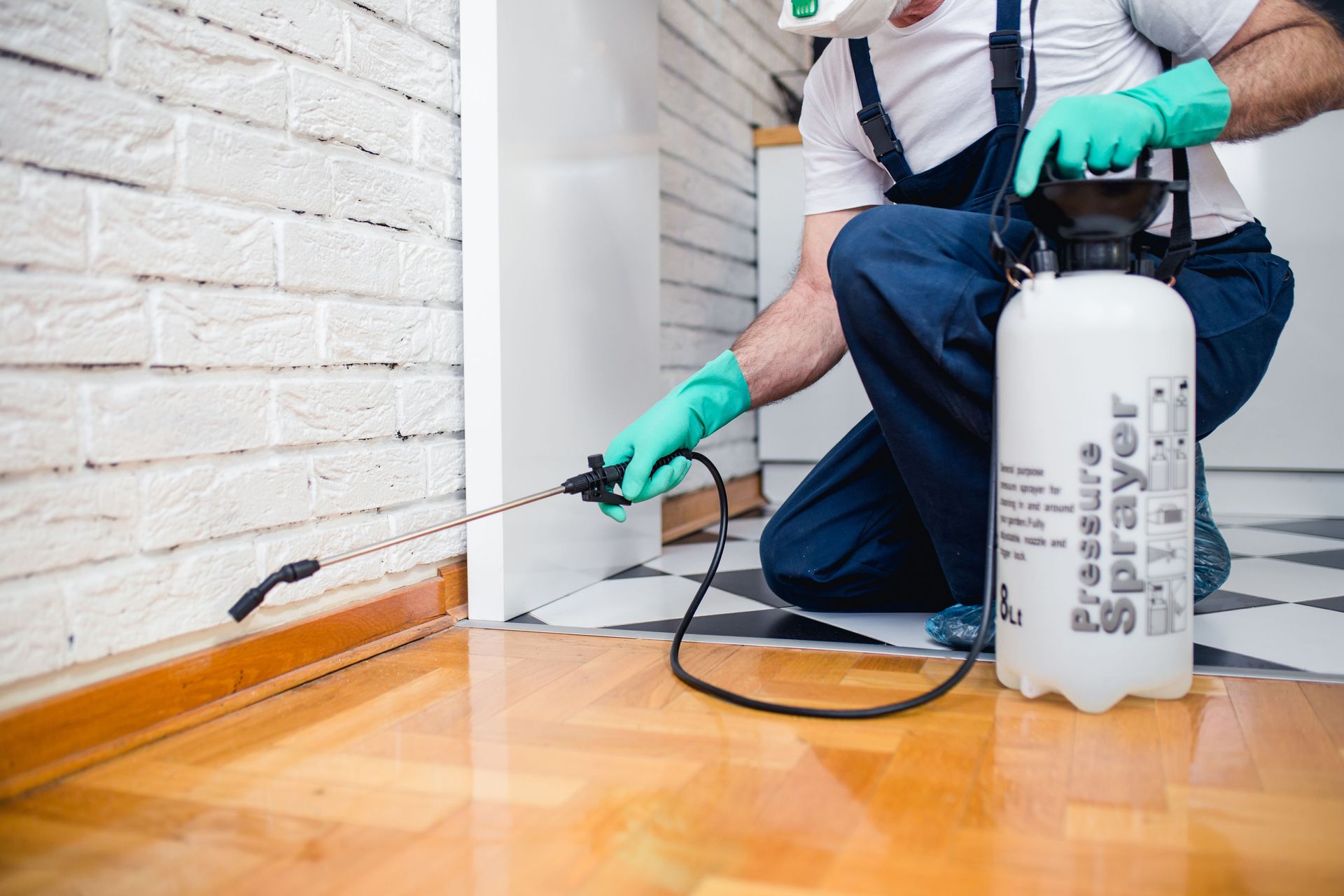
Termite damage can become more serious when an infestation continues without proper attention. These insects can gradually weaken wood and affect the condition of important structural components. The rate of damage can vary based on the termite species, colony size, available food, moisture conditions, and other factors. Addressing an infestation sooner can help reduce the opportunity for continued damage. A termite remover can evaluate the situation and use an appropriate approach based on the property and the type of activity present. The goal is not only to address visible signs. A complete approach considers where termites may be active, how they may have entered the property, and whether additional areas could be affected. This broader evaluation can help limit ongoing problems.
Supporting Long-Term Property Protection
Termite management is not only about addressing an existing infestation. Ongoing attention can also help identify conditions that may contribute to future termite activity. Moisture around the structure, damaged wood, and areas where wood contacts the ground can all deserve closer attention. A termite remover can help identify conditions that may make a property more attractive to termites. Recognizing these concerns gives property owners a better understanding of what should be monitored over time. Regular professional evaluations may also be useful for properties that have experienced termite problems in the past. Previous activity does not always mean a new infestation will occur, but continued awareness can make it easier to notice changes before they become more serious.
Addressing Hidden Problems Early
One of the main challenges with termites is that damage can develop quietly. There may be few obvious signs during the early stages of an infestation. Waiting until wood becomes visibly damaged may allow the problem to continue for longer than necessary. Professional attention can provide a closer look at areas that may otherwise go unnoticed. A termite remover can assess signs of activity, examine vulnerable areas, and determine whether further action is appropriate. Early attention can also provide greater clarity. Instead of relying on assumptions about what may be causing a problem, property owners can receive an assessment based on what is found at the property. This can help guide decisions about how the situation should be handled.
Protecting Structural Conditions
A home's structural components play an important role in its safety and stability. When termites damage wooden framing or other important materials, the effects can extend beyond appearance. Serious damage may affect how parts of a structure perform over time and may become more difficult to address if left unnoticed. This is one reason termite activity should not be treated as a minor pest concern. The longer termites remain active, the greater the opportunity for damage to develop and spread to nearby areas. A termite remover can help address an infestation before the effects become more extensive. Professional assessment can also help identify whether damaged areas require further evaluation from other qualified professionals.
Managing Moisture-Related Concerns
Moisture can contribute to conditions that support termite activity. Leaks, poor drainage, damp crawl spaces, and water that collects near a foundation can create an environment that may be more appealing to certain termites. Managing these conditions can be an important part of protecting a property and reducing potential risks. Professional inspections can help identify areas where moisture and termite concerns overlap. When termite activity is found, addressing the insects is only part of the larger picture. Understanding the conditions around the property can help reduce factors that may contribute to future concerns. A termite remover can point out areas that may need attention as part of a broader property maintenance plan.
Monitoring Changes Over Time
Termite concerns can change over time, which makes ongoing awareness valuable. A property that has had an infestation may need closer observation, particularly if conditions around the structure remain favorable for termite activity. Regular attention can help identify subtle changes, new warning signs, or developing problems before they become more serious. Professional follow-up can help determine whether signs have changed or whether new activity has appeared. This type of monitoring may also help identify concerns before they lead to extensive damage. Keeping records of previous inspections and findings can provide useful information during future evaluations. These details can also help establish a clearer history of termite activity and property conditions. It can help professionals compare changes and understand how conditions have developed over time.
Termite problems can be difficult to identify when activity remains hidden behind surfaces or in hard-to-reach areas. Seeking professional help allows suspected activity to be properly evaluated. A termite remover can inspect the property, identify signs of infestation, and recommend next steps. Early attention may help limit further damage. Termite protection is an ongoing part of property care. Watching for warning signs, addressing moisture concerns, and seeking professional help can help maintain a home's condition. A termite remover can also identify active infestations and conditions that may contribute to future activity. Termites are small, but their damage can be significant. Taking warning signs seriously and seeking professional help can reduce the chance of a minor concern becoming a larger problem. Contact American Pest Control today to work with a local termite remover dedicated to helping property owners extinguish termites.